Mastering the Stick Burner: How to Use an Offset Smoker
Introduction
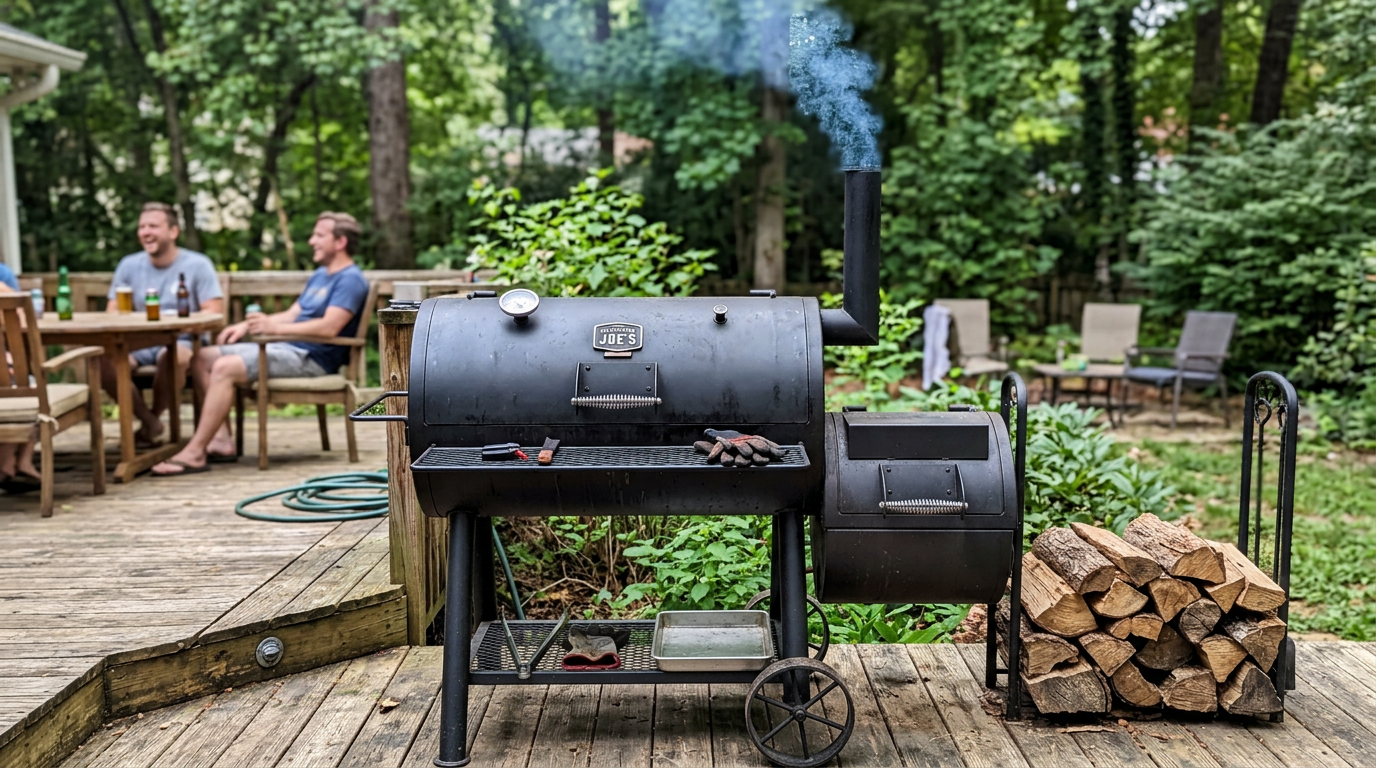
The horizontal offset smoker is the real-deal BBQ rig. Folks often call it a “stick burner.” It has a big cooking chamber and a smaller firebox on the side. While modern pellet grills are easier, they can’t match the deep flavor and jet-black bark of an offset.
1. The Anatomy of an Offset
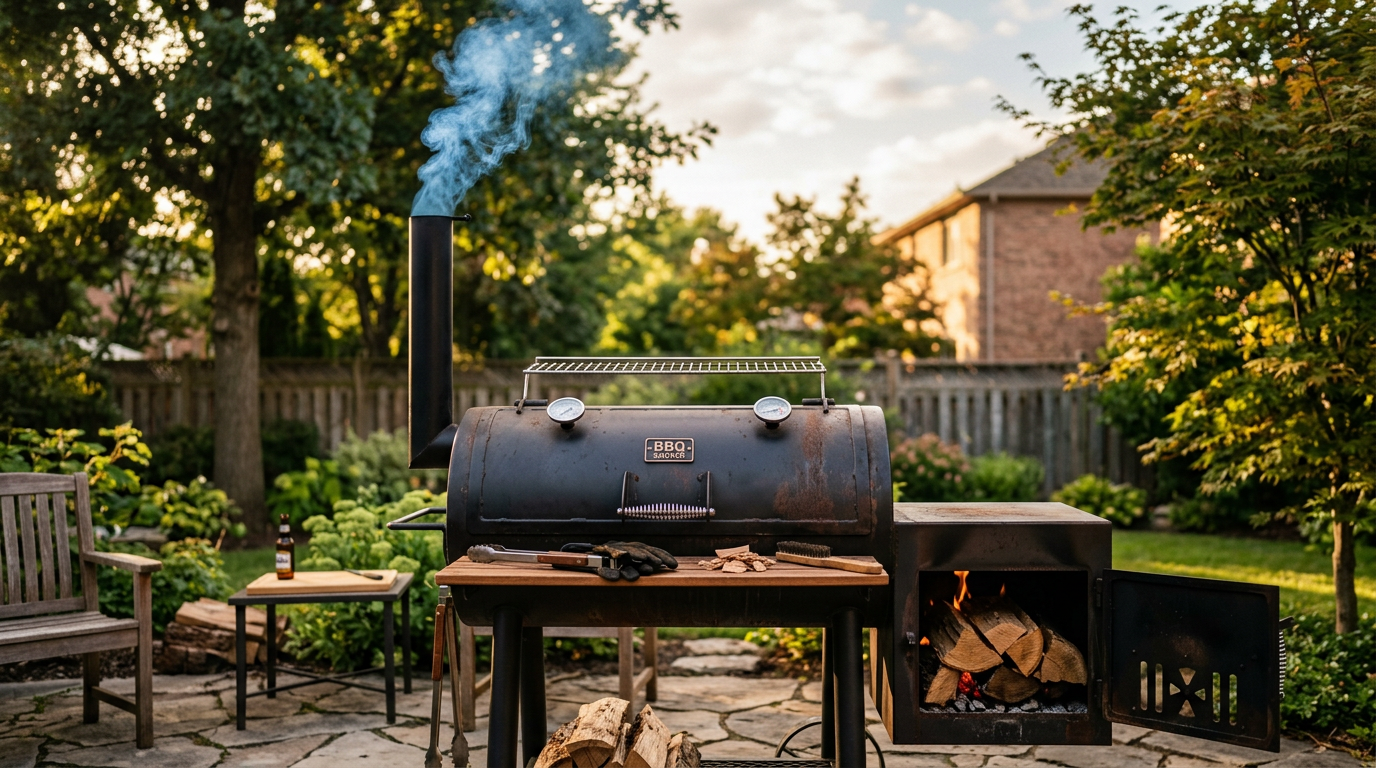
To master the offset, you must understand its two main components:
- The Firebox: This is where you build your fire. It has an intake vent that controls how much oxygen reaches the logs.
- The Cooking Chamber: This is where the meat sits. It has a chimney or “stack” that draws heat and smoke across the meat and out of the smoker.
2. Fire Management: The Heart of the Cook
The biggest mistake beginners make is using too much charcoal. An offset is designed to run on Wood Logs.
- The Coal Bed: Start by lighting a chimney full of charcoal and dumping it into the firebox. This provides a steady base of heat.
- Pre-Heat Your Wood: Place your wood logs like Oak or Hickory on top of the firebox to warm them up before adding them to the fire. This ensures they ignite instantly and produce clean smoke.
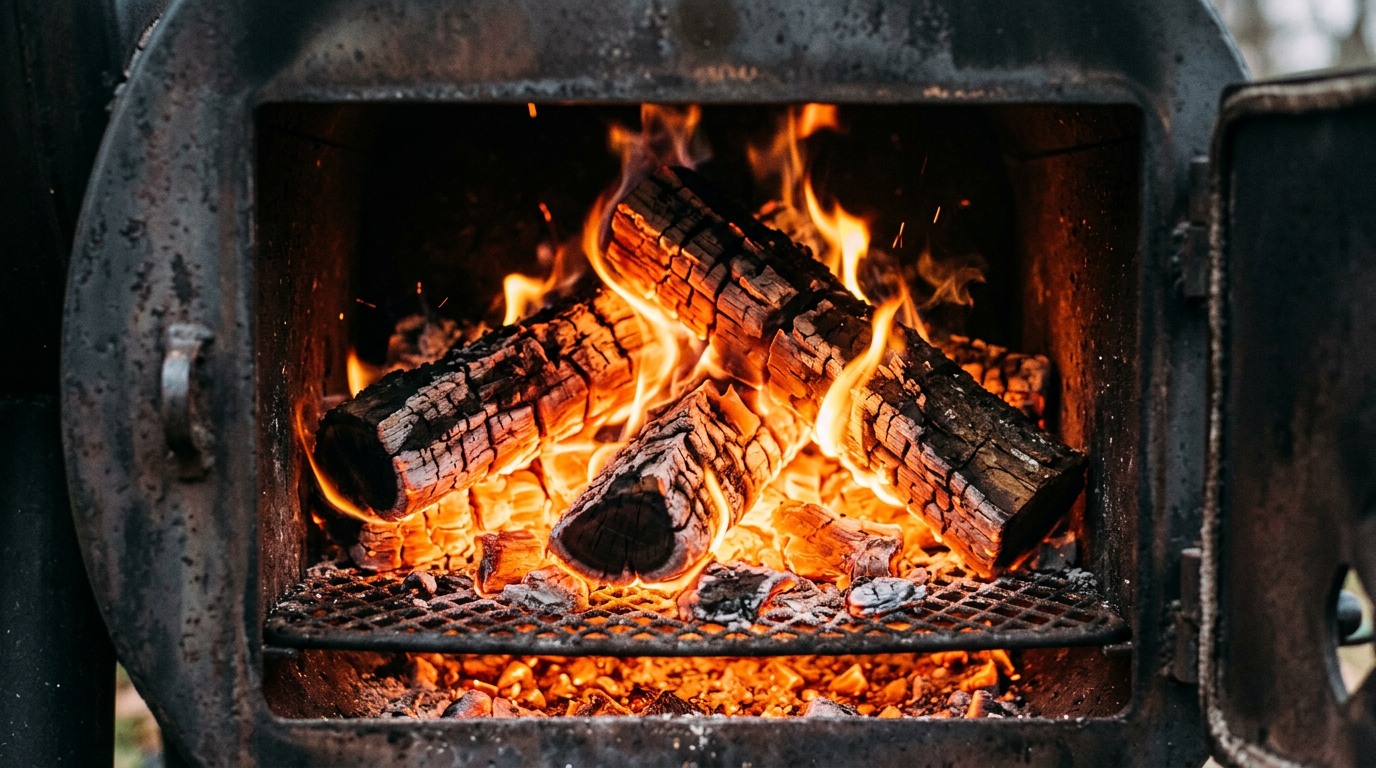
- The Small, Hot Fire: You want a small, active fire rather than a large, smoldering one. A small fire burning hot will produce the “Thin Blue Smoke” that is the hallmark of great BBQ.
3. Managing Airflow
Airflow is your steering wheel.
- Intake Vent (Firebox): Keep this mostly open. You want plenty of oxygen to keep the fire clean.
- Chimney (Stack): Always keep this wide open. Choking the chimney traps “dirty” smoke inside the chamber. That will make your meat taste bitter.
- Controlling Temp: Control your temperature by the size of the fire, not by closing the vents. If it’s too hot, use smaller logs. If it’s too cold, add a log.
4. The “Hot Spot” and Rotating Meat
In an offset, the side closest to the firebox is much hotter than the side near the chimney.
- Use the Gradient: Place larger, thicker cuts like the point of a brisket closer to the firebox.
- Rotate: If you are cooking multiple items, rotate them halfway through the cook to ensure even results.
5. Patience is a Virtue
Running a stick burner takes work. You will need to add a new log every 45 to 60 minutes. It requires your full attention. But the reward—that authentic, wood-fired flavor—is worth it.
Ready to fire up the pit? Check out our Wood Library to find the perfect logs for your next smoke.