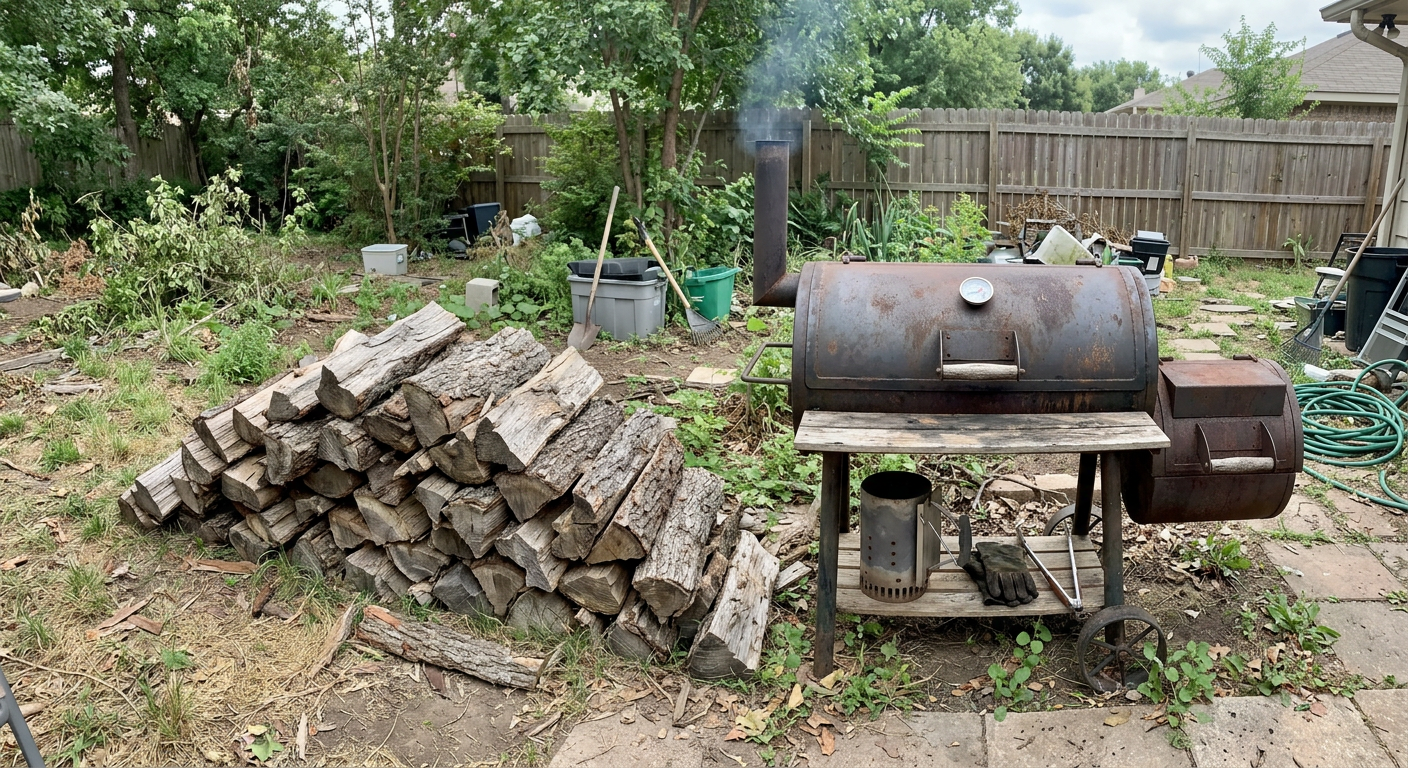
The Post Oak Bible: Master the Backbone of Central Texas BBQ
🔥 Big B’s Quick Hits (TL;DR)
- The Goldilocks Wood: Not too strong, not too mild. It’s just right for long beef cooks.
- Consistency is King: High density means a long, steady burn that won’t spike your temps.
- Best for Beef: Brisket and beef ribs are the natural soulmates here.
- Look for the Gray: Identify it by the thick, deeply furrowed gray bark and its heavy weight.
If you walk into any of those legendary joints in Lockhart or Austin, you’re going to smell the same thing. It’s that clean, subtle scent of Post Oak. It isn’t flashy. It doesn’t have the punch of mesquite or the sweetness of fruitwood. But it’s the most reliable partner a 15-pound brisket could ever ask for.
I’ve spent years messing around with different woods, but I always come back to the oak. It’s the workhorse of the backyard. When you’re staring down a 12-hour cook, you don’t want surprises. You want a wood that burns hot, clean, and consistent. That’s Post Oak.
Why Post Oak? The “Goldilocks” Wood
Every wood has its personality. Mesquite is like a firecracker. It burns crazy hot and hits you with a punch that can turn your meat bitter if you aren’t careful. Fruitwoods like apple and cherry are great, but they’re often too mild to stand up to a big piece of beef.
That’s where Post Oak earns its “Goldilocks” nickname. It’s right in the middle. It has enough flavor to give you a solid smoke profile and a beautiful smoke ring, but it won’t overwhelm the natural beefy flavor of your brisket.
One of the biggest advantages is its density. Post Oak is a heavy, hard wood. This means it has a lot of energy packed into every log. When you get a bed of oak coals going, they last forever. You aren’t constantly feeding the firebox every 15 minutes like you might with lighter woods. You get a steady, predictable heat that makes managing your offset smoker a lot less stressful.
Sourcing and Seasoning: Getting the Good Stuff
You can’t just go out and grab any old oak log and expect magic. First, you’ve got to know how to spot it. Post Oak has a thick, deeply furrowed gray bark that almost looks like it’s been wrinkled. It’s heavy. If you pick up two logs of the same size and one is significantly heavier, that’s likely your oak.
The moisture content is where most beginners trip up. You don’t want “green” wood—that’s wood that’s been recently cut and still has its sap. It’ll give you thick, bitter white smoke that will ruin your meat. You want wood that’s been seasoned for at least six to nine months.
The sweet spot is around 20% moisture. If you don’t have a moisture meter, use your ears. Take two splits and bang them together. If they make a sharp “clink” sound like two baseball bats hitting, you’re good to go. If they make a dull “thud,” they’re still too wet. Let them sit in the sun for another few months.
Fire Management: Taming the Stick
Post Oak burns long and hot, but it only works if you manage it right. First, you need to split it down to the right size for your pit. For a standard 1/4 inch backyard offset smoker, a split about 12-16 inches long and the thickness of your wrist is usually perfect. If they’re too thick, they won’t ignite fast enough and will smolder.
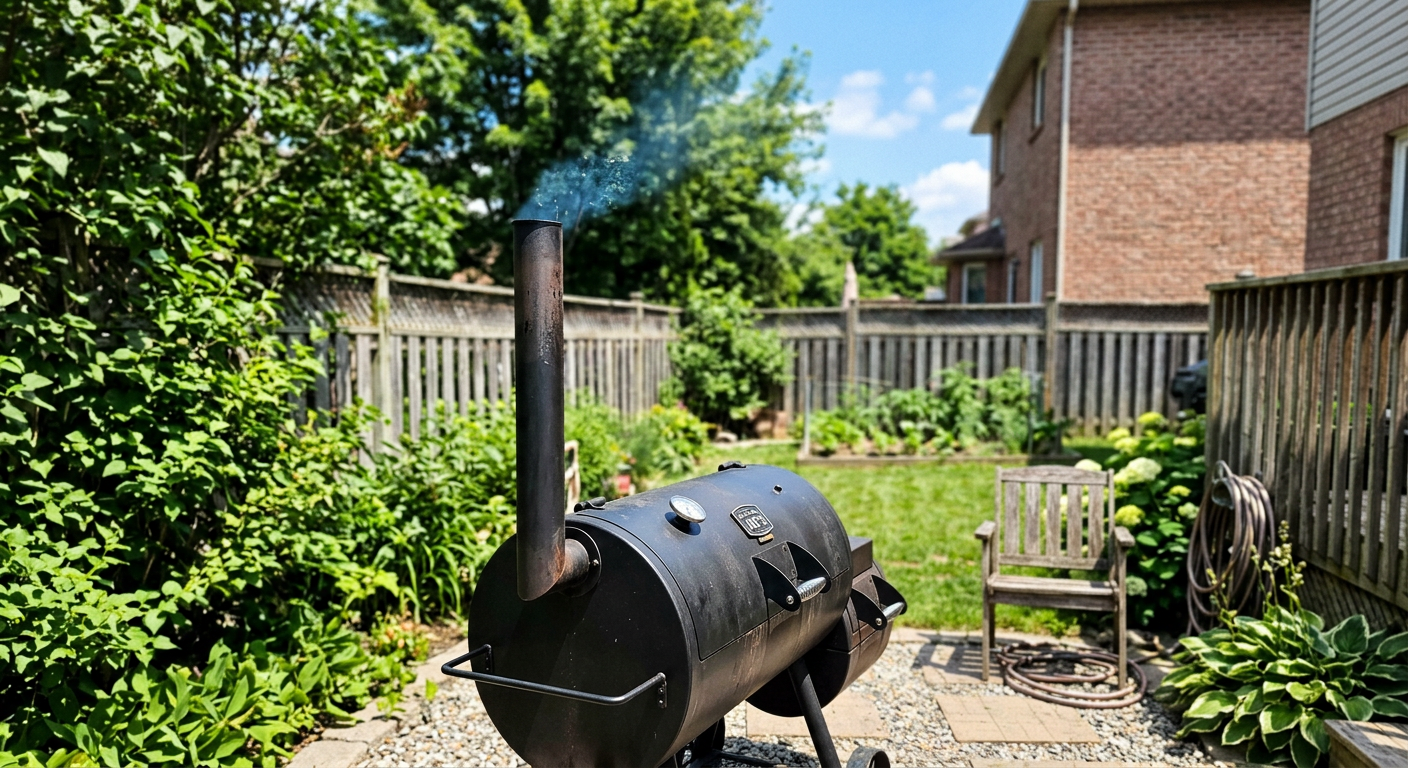
The goal is blue smoke. That nearly invisible, light blue wisp that signals clean combustion. When you add a new log, it should catch fire within 30 seconds. If it’s smoldering and throwing thick white smoke, your firebox is starving for oxygen or your wood is too wet.
Here’s a pro-tip I picked up years ago: Pre-heat your logs. Set your next split on top of your firebox (or inside the firebox but away from the flame) for about 20 minutes before you need it. This dries out any surface moisture and gets the wood hot. When you finally toss it on the coals, it’ll ignite almost instantly. This keeps your temps steady and your smoke clean.
Beyond Beef: Surprise Pairings
While Post Oak is the undisputed king of brisket, don’t be afraid to use it for other meats. If you’re tired of the super sweet profile of fruitwood on your pork, try a 50/50 blend of Post Oak and apple. The oak gives it a more savory, “traditional” BBQ flavor that really makes the meat pop.
Turkey is another surprise hit. In Central Texas, a lot of the big names use Post Oak for their turkey breasts. It gives the bird a beautiful golden-brown color and a subtle smoke flavor that doesn’t mask the moisture. If you want that “authentic” Central Texas bird, this is the secret.
The Workhorse of the Backyard
When you’re starting out, it’s easy to get distracted by fancy wood blends and exotic fruitwoods. But if you want to master the art of the fire, you have to master Post Oak. It’s the wood that will teach you how to manage a firebox, how to read the smoke, and how to respect the time it takes to make great BBQ.
Keep it simple. Find a good source of seasoned oak, keep your fire hot, and let the wood do the work. Your brisket will thank you.
Keep the Fire Burning
The Art of Low and Slow: Smoked Brisket 101
Master the most challenging BBQ cut with our step-by-step guide to brisket selection, trimming, and temperature control.
Read GuideThe Poultry Brine Bible: Wet, Dry, and Why It Matters
Master the science of moisture retention. Learn when to use a wet brine for juiciness and when a dry brine is mandatory for crispy skin.
Read GuideThe Foil Boat Strategy: Why Your Brisket Bark Deserves to Breathe
The middle ground between wrapping and going naked. Big B explains the foil boat technique, why it saves your bark, and exactly when to deploy it for the perfect brisket and pork shoulder.
Read Guide